Kids' Occupational Therapy Services in Colchester & Essex
Home > Paediatric Occupational Therapy
Helping Your Child Thrive in Daily Life
Getting your child the right support shouldn't mean waiting months on an NHS list. Our paediatric occupational therapists are available now at two clinics - our new dedicated Lakelands OT Centre in Stanway, Colchester and at our Copford clinic - with no referral needed and no waiting list.
We work with children from birth to 18 with a wide range of needs: sensory processing difficulties, dyspraxia, autism, ADHD, fine motor delays, and more. Whether your child struggles with handwriting, dressing, attention, or navigating busy environments, our OTs assess what's holding them back and build a practical, goal-focused plan - for home, school, and everything in between.
Our OT team includes Verity Hooks, Emily Fenton, and specialist EHCP assessors.
What is Paediatric Occupational Therapy?
Children's occupational therapy focuses on the everyday activities that matter most - getting dressed, holding a pencil, sitting in a classroom, playing with friends. When those things are harder than they should be, it affects confidence, learning, and family life.
Our experienced paediatric OTs work closely with your child and your family to understand what's getting in the way, then build the skills to overcome it.

Fine Motor Skills & Handwriting
Pencil grip and handwriting development
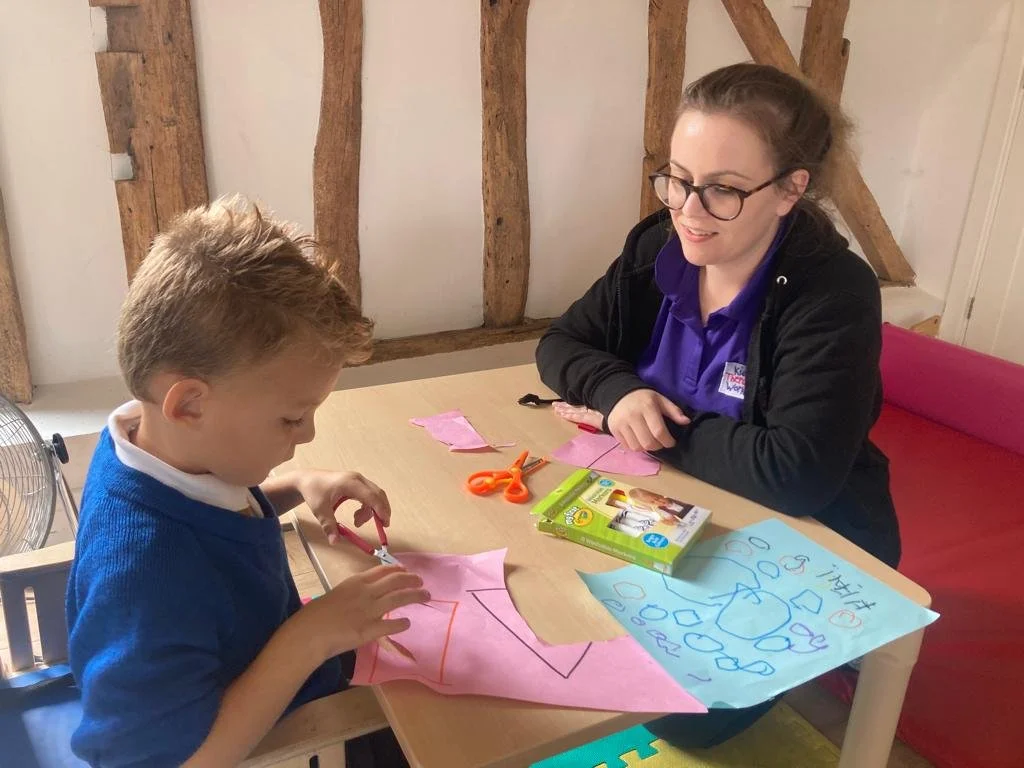
Scissor skills and craft activities
Manipulating small objects and toys
Daily Living Skills
Independent dressing and self-care
Eating and mealtime skills
Personal hygiene routines

Gross Motor Coordination
Balance and coordination
Physical play and sports participation
Movement planning and body awareness

Sensory Processing Support
Managing sensory sensitivities
Developing coping strategies for
overwhelming environmentsImproving focus and attention

Independence & Life Skills
Money management and basic maths concepts
Community navigation and safety
Building confidence for school and social situations

Emotional Regulation & Social Skills
Managing emotions and behavioural responses
Developing autonomy and self-advocacy
Improving play skills and peer interactions
Conditions We Support
Our paediatric OTs have specialist experience across a wide range of diagnoses and developmental differences. If your child has a diagnosis, we'll build therapy around it. If you're still waiting for one, we can assess and support them now.
Autism Spectrum Disorder (ASD) - Supporting communication, sensory needs, and social skills
ADHD - Improving attention, organization, and self-regulation
Cerebral Palsy - Enhancing mobility and adaptive skills
Neurological Conditions - Supporting recovery and adaptation
Sensory Processing Difficulties - Helping children manage sensory challenges
Global Developmental Delay - Supporting overall development across multiple skill areas
Developmental Coordination Disorder (Dyspraxia) - Improving motor planning and coordination skills
Pathological Demand Avoidance (PDA) / Oppositional Defiant Disorder (ODD) - Developing flexible approaches and coping strategies
Family-centred Care
You know your child best - and our OTs work alongside you, not around you. Therapy goals are built around your family's priorities, your child's interests, and the routines that matter most in your daily life.
We share practical strategies that work at home, at school, and in the community - so progress doesn't stop when the session ends. Parents receive clear written guidance after each appointment, and we collaborate with schools and other professionals when needed.
EHCP Assessments and Reports
We provide comprehensive occupational therapy assessments for Education, Health and Care Plans (EHCPs), accepted by Local Education Authorities across Essex and Suffolk.
Our OT EHCP reports identify specific support needs for school settings and meet Local Authority requirements. Assessments can be combined with a Speech and Language Therapy assessment for a full multi-disciplinary evaluation - reducing cost and time for families.
Occupational Therapy assessment cost
Assessments
We offer the following standardised assessments:
MOVEMENT ABC2
DASH
Detailed Assessment of Speed of Handwriting
Sensory Profile 2
Beery VMI
Beery-Buktenica Developmental Test of Visual-Motor Integration
TVPS
Test of Visual-Perceptual Skills (non-motor): 3rd Edition
and non-standardised assessments:
Gross Motor Difficulties
Fine Motor Difficulties
Attention and Concentration
Regulation
Dressing, difficulties organising self and items
Our OT Clinics
Lakelands OT Centre, Stanway
Lakelands Centre, Western Approach, Colchester CO3 8DX
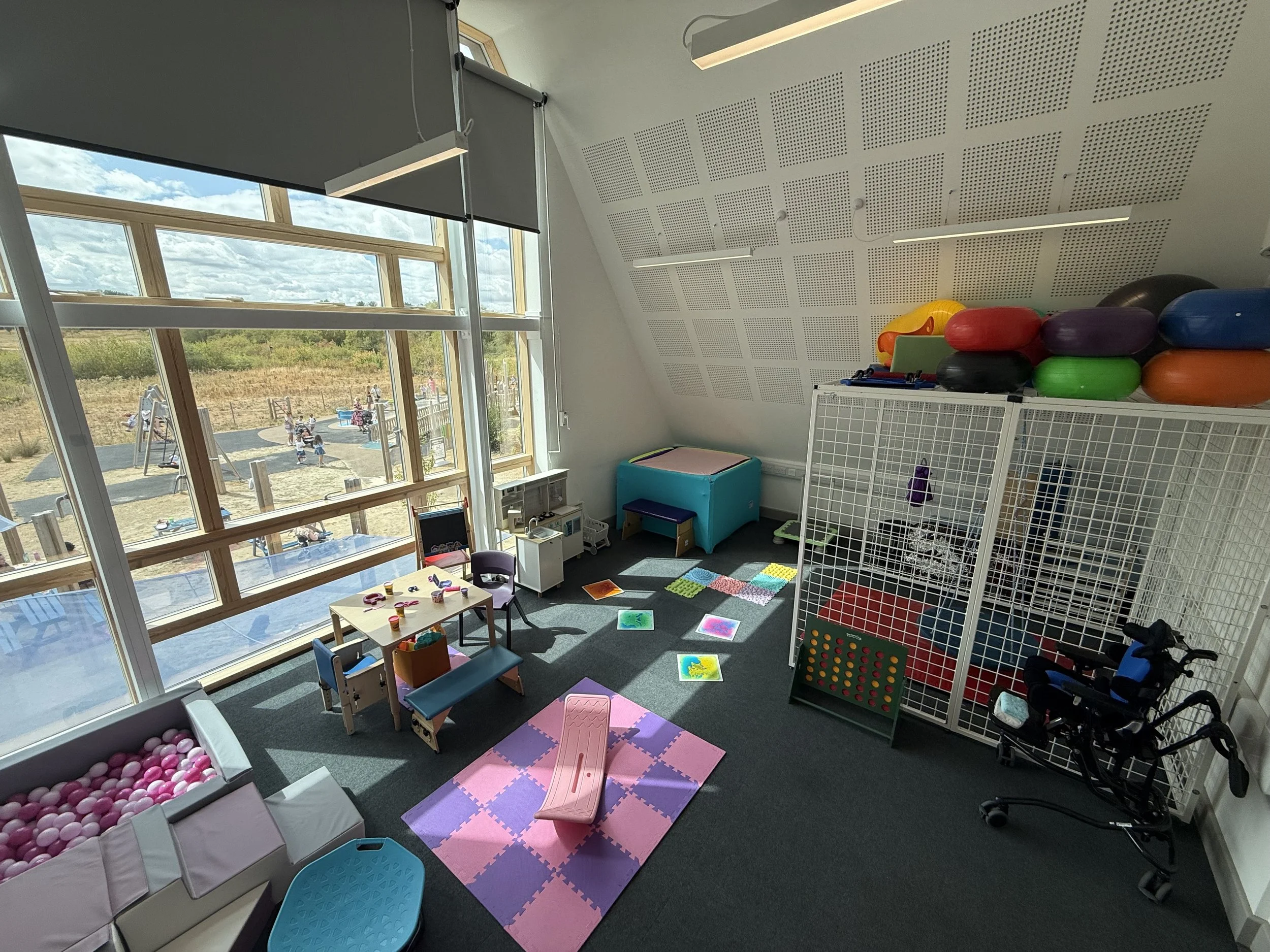
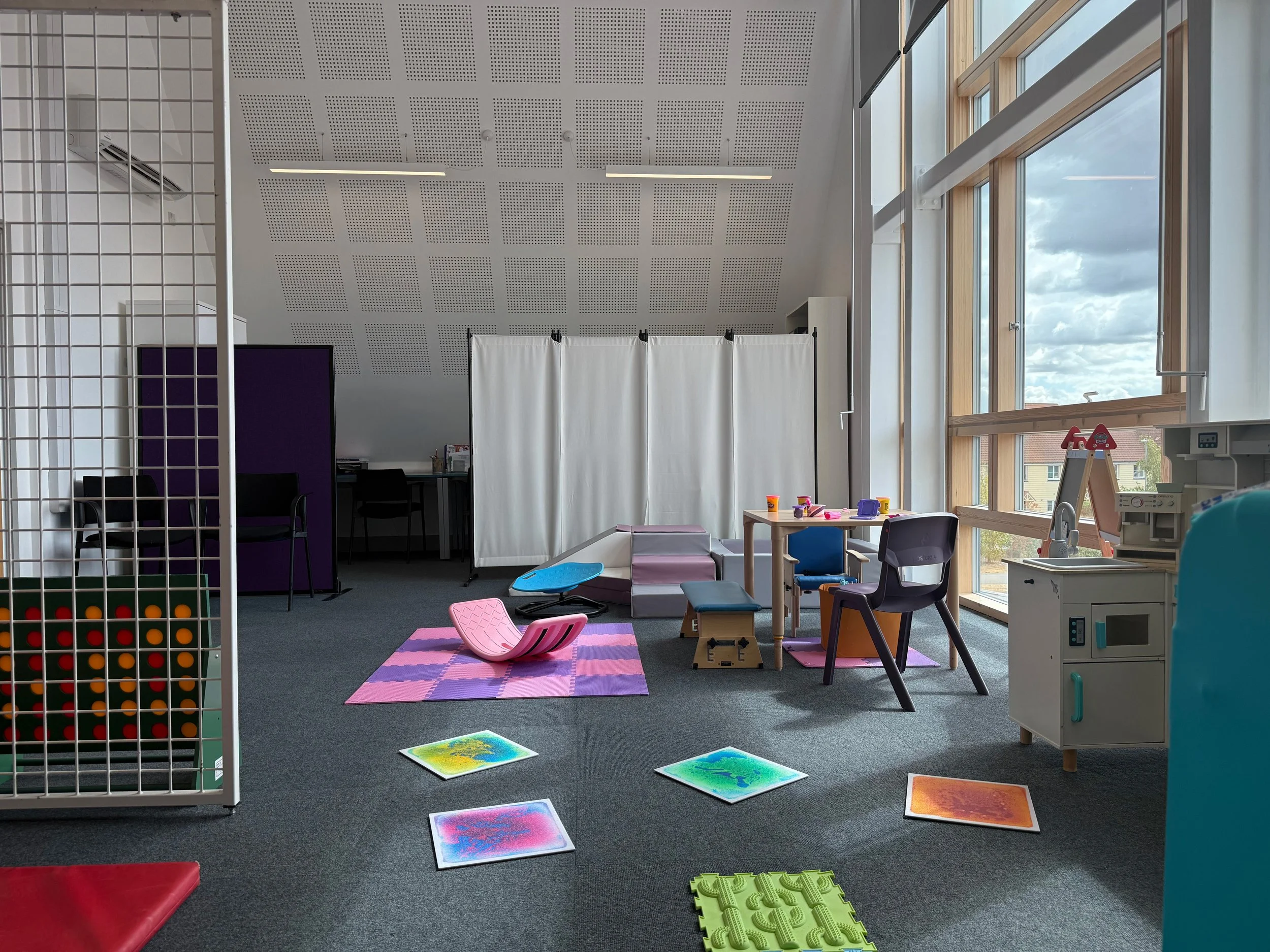
Our dedicated paediatric OT clinic offers a calm, purpose-designed therapy space with flexible appointment times. Fully accessible with on-site parking, a Changing Places facility, a dedicated sensory room and accessible playground. Serving families across Colchester, Chelmsford, and North Essex.
Copford Clinic
Barn 2, Green Farm Barns, School Road, Copford, Colchester CO6 1BZ
Our established clinic in a peaceful rural setting with excellent access from the A12.
Both clinics offer assessment and ongoing therapy. Home visits and school-based therapy are also available across Essex and into Suffolk.
Frequently Asked Questions About Occupational Therapy
What age children do you work with?
We work with children and young people from birth to 18 years old. Our occupational therapy approach is adapted for each developmental stage, from early intervention with babies to supporting teenagers with independence skills.
How long are occupational therapy sessions?
Initial OT assessments typically last 60-90 minutes and include discussion about your concerns, observation of your child during play and functional activities, assessment of fine motor skills and sensory processing, and evaluation of self-care abilities. Follow-up therapy sessions are usually 30-60 minutes, depending on your child's specific needs and goals.
Do you provide home visits for occupational therapy?
Yes, we offer flexible service delivery including clinic-based appointments at our Copford and Stanway locations, home visits across Essex and beyond when more appropriate for your child or family circumstances, school-based therapy when beneficial, and online consultations for some types of therapy and follow-up sessions.
What does an occupational therapist do for children?
Occupational therapists help children develop the skills needed for daily activities and independence. We work on fine motor skills like handwriting and using scissors, sensory processing to help children regulate responses to sensory input, self-care skills such as dressing and feeding, school readiness including attention and organisation, and play skills for social development. OT focuses on helping children participate fully in home, school, and community activities.
How do I know if my child needs occupational therapy?
Consider occupational therapy if your child struggles with handwriting or using scissors, has difficulty with buttons, zippers, or tying shoelaces, shows sensitivity or under-responsiveness to sounds, textures, or movement, has trouble focusing or sitting still in class, avoids messy play or certain food textures, struggles with coordination or appears clumsy, or has difficulty with age-appropriate self-care tasks. We offer initial assessments to evaluate your child's needs.
Do you work with children with autism?
Yes, we have extensive experience working with children on the autism spectrum. Our approach is individualised and sensory-aware. We work on sensory processing and regulation, motor skills and coordination, daily living skills, reducing anxiety around activities, and supporting participation in school and community. We adapt our approach to each child's specific needs, interests, and sensory preferences.
Can occupational therapy help with school difficulties?
Yes, occupational therapy can significantly help with school-related challenges. We address handwriting difficulties, organisation and planning skills, attention and concentration, visual perception for reading and maths, fine motor skills for classroom tasks, and sensory regulation in busy classroom environments. We can provide school visits, environmental recommendations, and collaborate with teachers to support your child's educational success.
How quickly will my child show progress?
Every child develops at their own pace, and progress depends on various factors including your child's condition, therapy frequency, and practice at home. Some children show improvements within weeks, while others require longer-term support. We regularly review goals and adjust treatment plans to ensure your child continues making meaningful progress.
How often will my child need occupational therapy sessions?
Therapy frequency varies depending on your child's needs and goals. Some children benefit from weekly sessions, others from fortnightly or monthly appointments. We'll discuss the recommended frequency during your assessment and regularly review this as your child progresses.
Do you provide reports for EHCP, insurance or case managers?
Yes, we provide detailed assessment reports, progress updates, and treatment summaries for insurance companies, case managers, solicitors, and other professionals involved in your child's care. We're experienced in working with various funding bodies and can provide the documentation they require.
Ready to get started? Call us on 01206 212849 or book an initial OT assessment online.
No referral needed. No NHS wait. Appointments available now at Lakelands and Copford.